Corporate Team Building That Actually Works
A Practical Guide for Modern Team Building
Corporate team building has a reputation problem.
Too often, it’s treated as a filler activity—something added to an offsite agenda without much thought:
“We’ll add two hours of team building and figure it out later.”
That approach almost always leads to awkward, forgettable experiences that employees tolerate instead of enjoy.
But when team building is intentionally designed, it can dramatically improve trust, communication, and collaboration—especially for hybrid and remote teams.
This guide explains how modern team building should actually work.
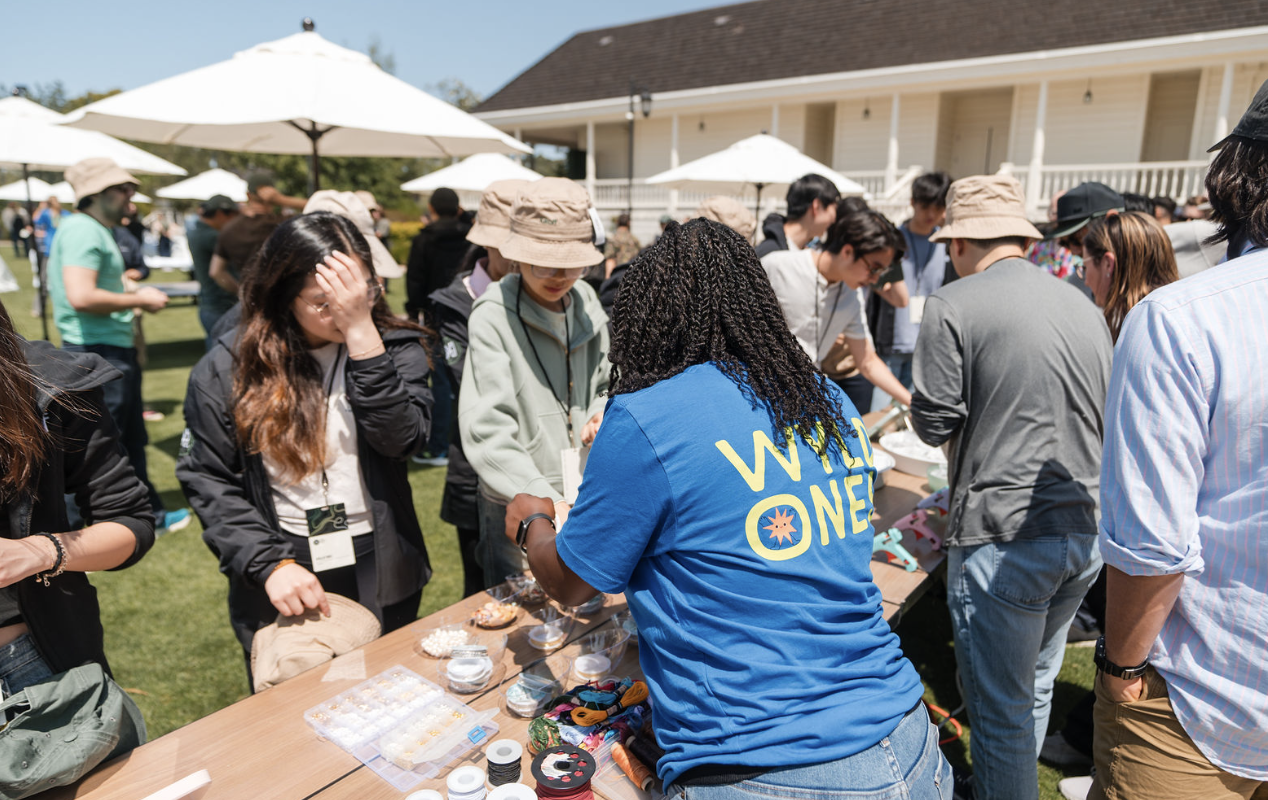
We’re on a mission to make “team building” fun and profitable again.
The Biggest Misconception About Corporate Team Building
The most common misconception is that team building has a low return on investment.
In reality, poorly designed team building has low ROI.
Well-designed team building often delivers one of the highest returns of any offsite activity.
The mistake companies make is relying on templated experiences—activities that look the same regardless of company culture, team dynamics, or context.
Effective team building must be:
Customized to the team
Designed around real humans
Aligned with what’s happening inside the organization
There is no universal activity that works for every company.
How to Design Team Building That Doesn’t Feel Forced
The starting point is understanding the team.
Before designing anything, you should know:
Company culture (not just values on a slide)
Past team building experiences (what worked and what didn’t)
Internal dynamics and micro-communities
Communication styles and comfort levels
From there, energy matters.
When facilitators bring high energy—and are willing to look a little silly themselves—it creates psychological safety. People are far more willing to participate when they know they won’t be the most exposed person in the room.
The goal isn’t perfection.
The goal is permission to show up.
Team Building doesn’t have to suck.
The Most Common Mistake With Hybrid and Remote Team Building
Hybrid teams often treat team building as a checkbox.
The assumption is:
“We’ll hire someone to run it. It’ll be fine.”
But for hybrid and remote teams, in-person team building moments are rare—and therefore incredibly valuable.
When that time isn’t thoughtfully designed, companies miss one of the few opportunities they have to build trust outside of Slack, Zoom, and email.
Hybrid teams don’t need more activities.
They need better-designed experiences.
How to Measure the Impact of Team Building
Some of the most meaningful indicators are immediate.
Look for:
Energy entering the event vs. energy leaving
New conversations and inside jokes forming
Teams lingering afterward instead of dispersing
Laughter, celebration, and shared moments
Most participants arrive skeptical.
If they leave energized and connected, the event worked.
Longer-term measurement matters too:
Post-event surveys
One-question pulse checks at 30, 90, and 180 days
Questions tied to trust, communication, and connection
A mix of human observation and lightweight data tells the clearest story.
Designing Inclusive Team Building Experiences
Inclusivity doesn’t mean removing competition or excitement.
It means designing experiences where everyone can contribute.
Most teams include:
Highly active, competitive participants
Strategic, puzzle-driven thinkers
Quieter or more introverted observers
Strong team building experiences create moments where each of these personalities can be the hero for their team.
When everyone wins once, the group wins together.
How to Handle Skeptical Teams or Bad Past Experiences
Skepticism usually comes from overpromising and underdelivering.
Most negative experiences stem from:
Generic activities
No cultural customization
Vendors running the same event for every client
The solution is not offering a menu of activities.
Instead, start with questions:
What’s your culture really like?
What hasn’t worked before?
What’s happening inside the company right now?
What does success actually look like for your team?
The best team building experience is the one that fits this group—not the one that worked somewhere else.
The Most Important Team Building Advice
Slow down.
Instead of asking, “What activity should we do?” ask:
“How do we want people to feel when this ends?”
Then design backward from there.
Great team building doesn’t force connection.
It creates the conditions for it.
Wyld Ones | A Team Building Company. But, different.
Team Building FAQ (for Companies & Event Planners)
What is the best team building activity for corporate events?
There is no single “best” activity. The most effective team building experiences are customized to a company’s culture, team size, goals, and comfort levels. What works for one team may fail for another.
How long should a team building event be?
Most effective team building events last 90 minutes to 2 hours. This allows enough time for meaningful engagement without fatigue.
Is team building worth the cost?
When thoughtfully designed, team building can significantly improve trust, communication, and collaboration—making it one of the highest-ROI components of a company offsite.
How do you make team building inclusive?
By designing activities that include physical, mental, and observational elements, allowing different personality types to succeed and contribute.
What works best for remote or hybrid teams?
In-person team building moments should be intentional and well-designed. Hybrid teams benefit most from experiences that prioritize connection over forced interaction.
How do you measure the success of team building?
Success can be measured through immediate energy shifts, participant feedback, and long-term sentiment around trust, communication, and team cohesion.
Why do employees dislike traditional team building?
Employees dislike team building when it feels forced, generic, or disconnected from their culture. Customization and authenticity are key.
This guide answers common questions about corporate team building, including how to design activities that feel natural, inclusive, and effective for hybrid and remote teams, and how to measure real impact beyond surface-level engagement.